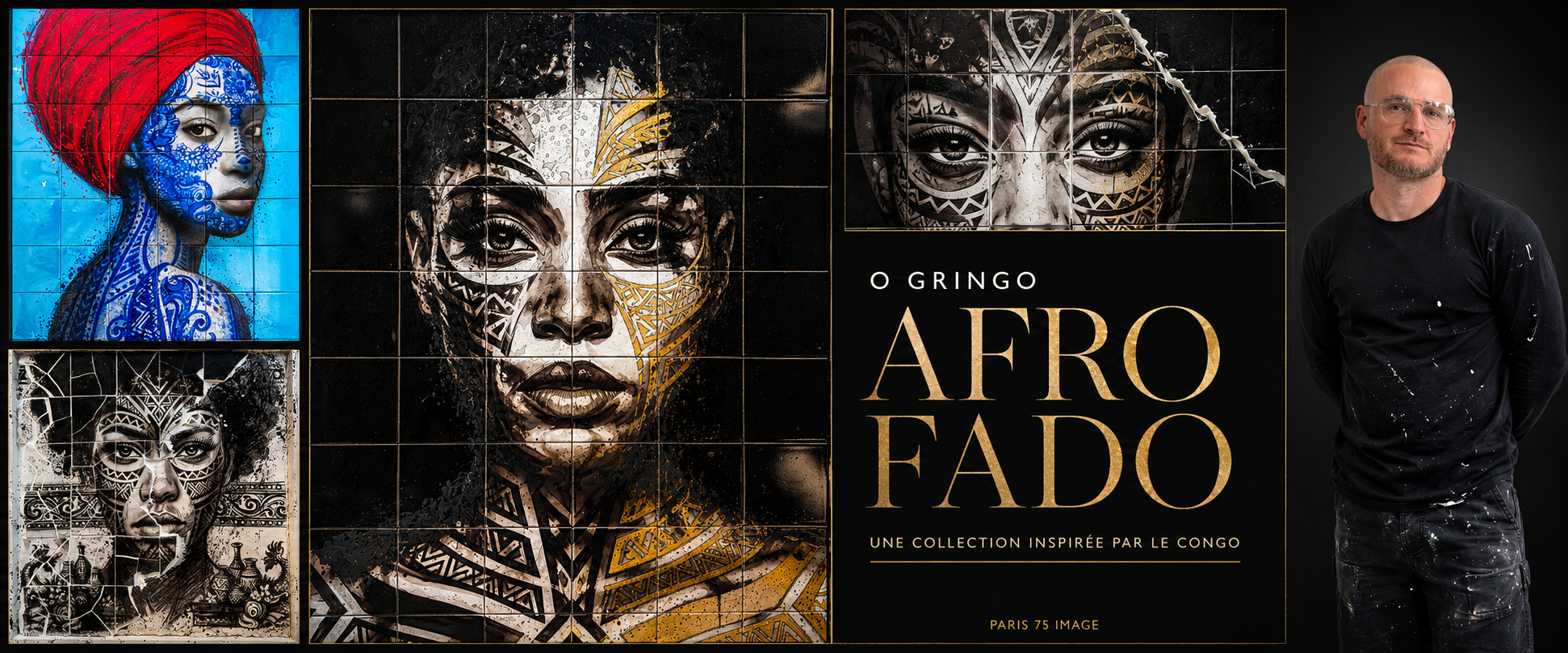
O Gringo presents Afro Fado, an artistic study inspired by Africa and by the professional journeys he made to the Republic of the Congo. Through a hybrid mixed media language developed by the artist in Portugal, the collection establishes a dialogue between African identity, Atlantic memory, rhythm, fado, Portuguese azulejos and contemporary art.
O GRINGO
O Gringo – Afro Fado collection
O Gringo Encounter with the Congo
Before becoming an art collection, Afro Fado began as a human experience.
During two professional journeys to the Republic of the Congo, O Gringo discovered a country whose strength extended far beyond the images commonly associated with Africa. The artist encountered a vibrant culture defined by elegance, music, spirituality, human connection and an extraordinary ability to preserve and transmit memory.
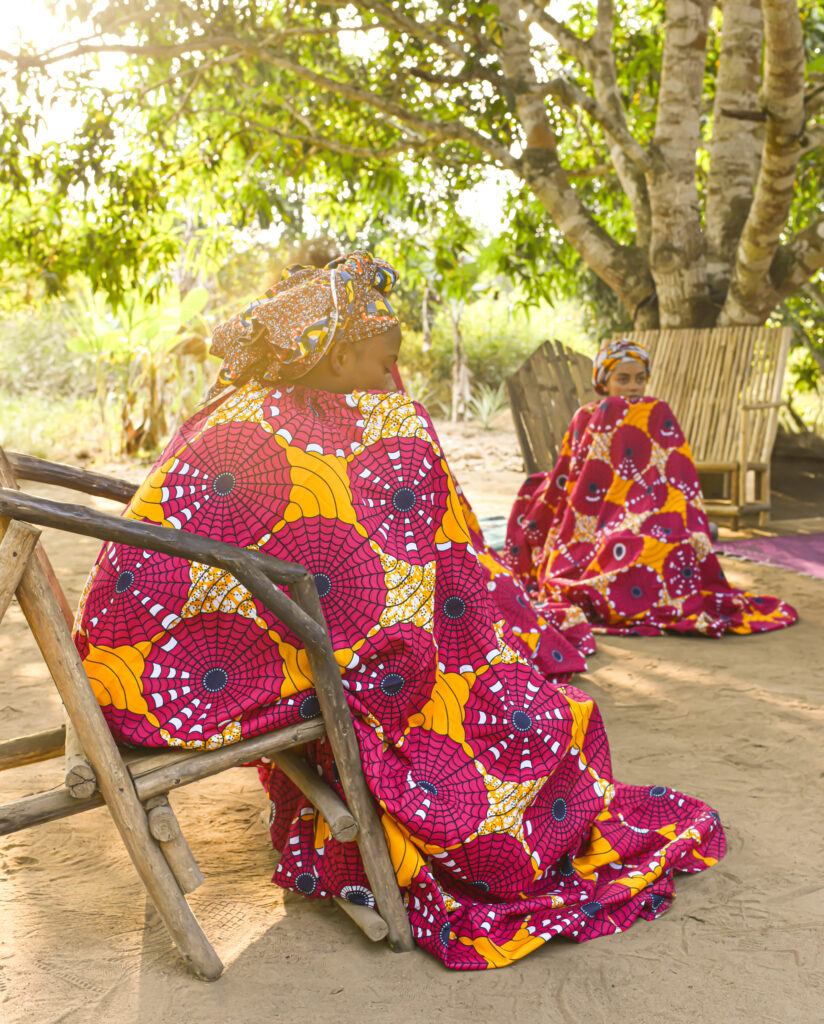
What remained with him was not only the landscape. It was the faces, hands, fabrics, movements, light, dignity and presence of the people he met.
These experiences accompanied O Gringo on his return to Europe and gradually began to inhabit his work. From the memory of these two journeys, a new artistic study emerged: Afro Fado.


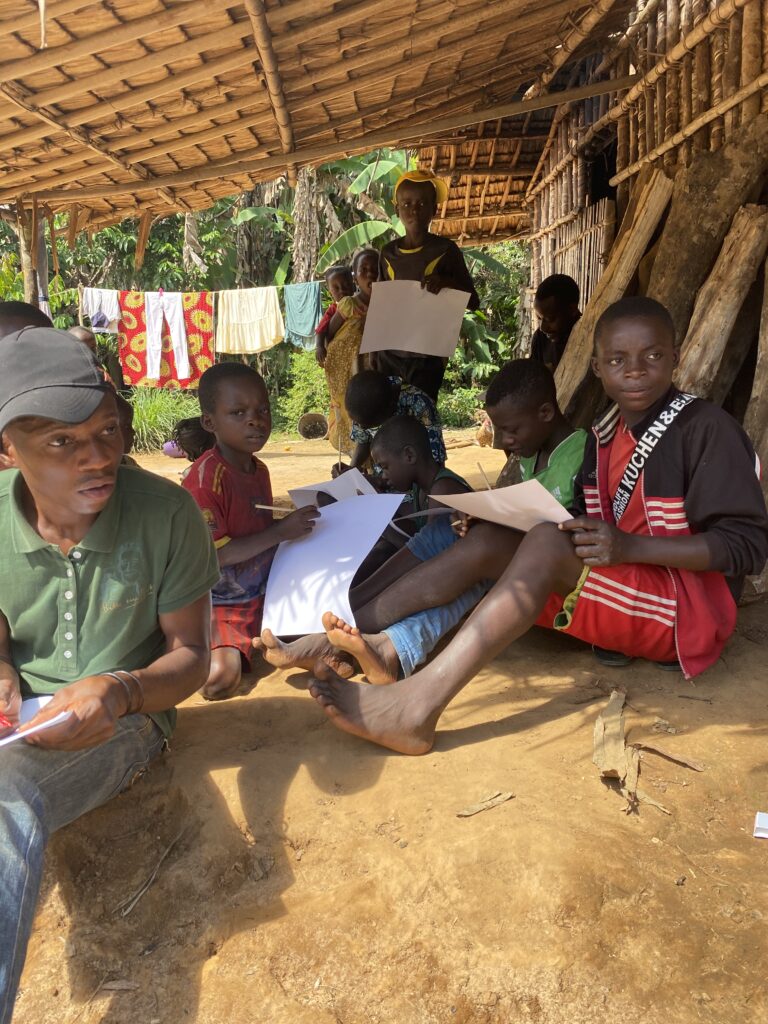
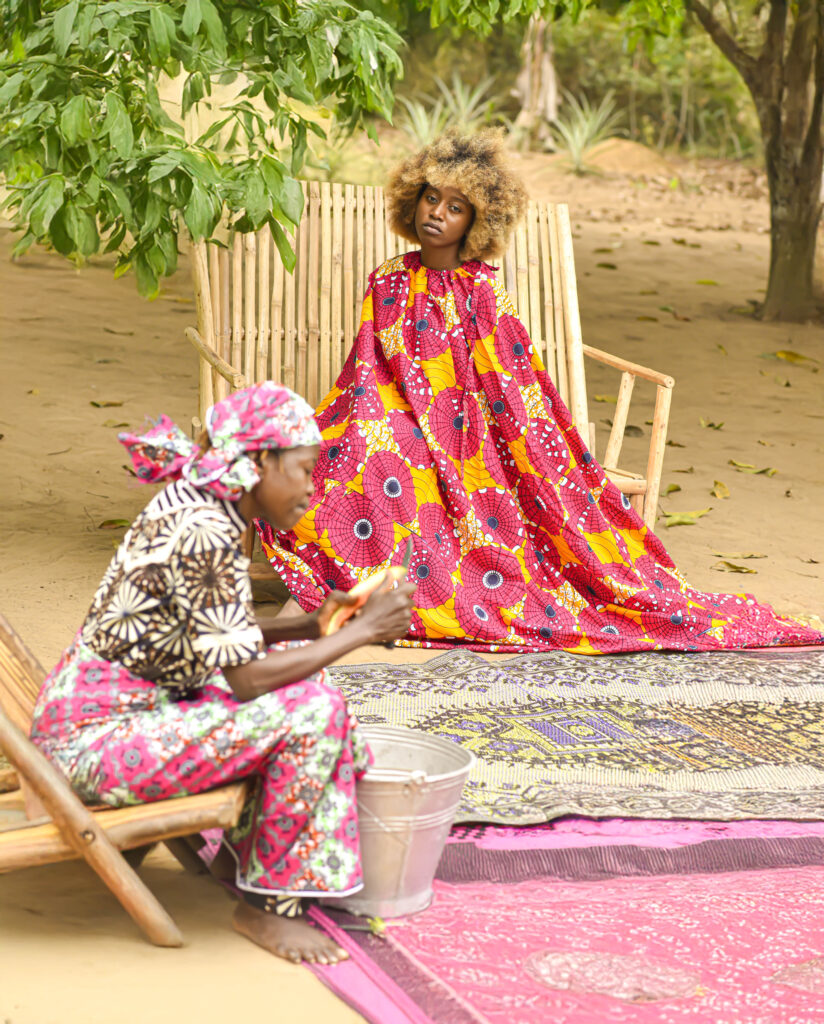
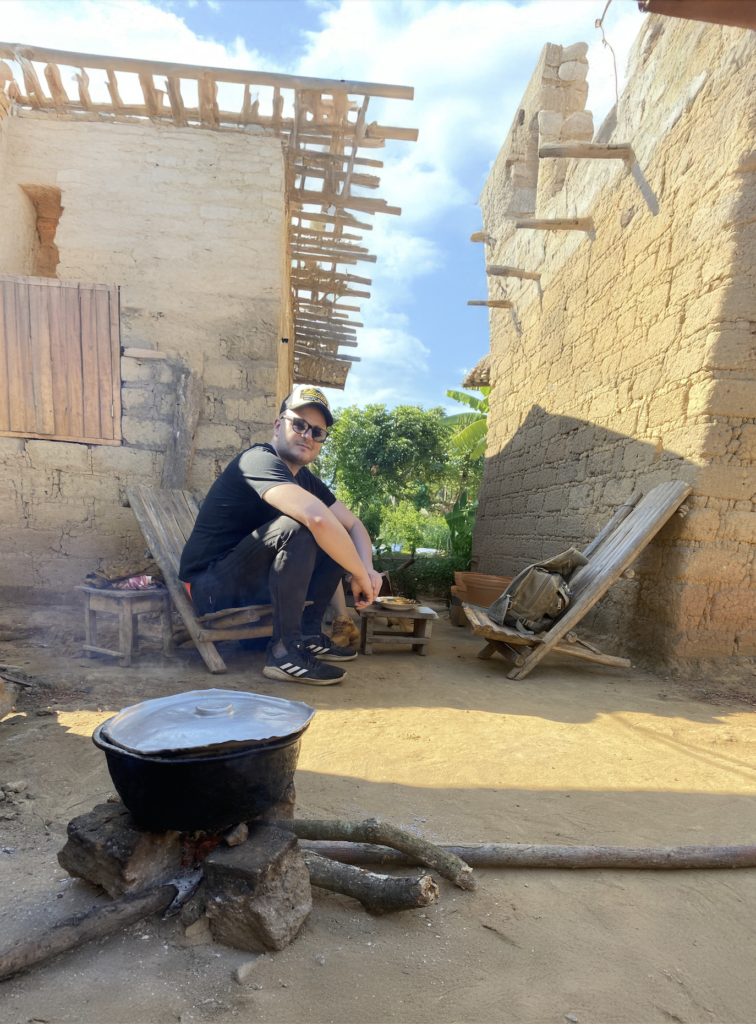
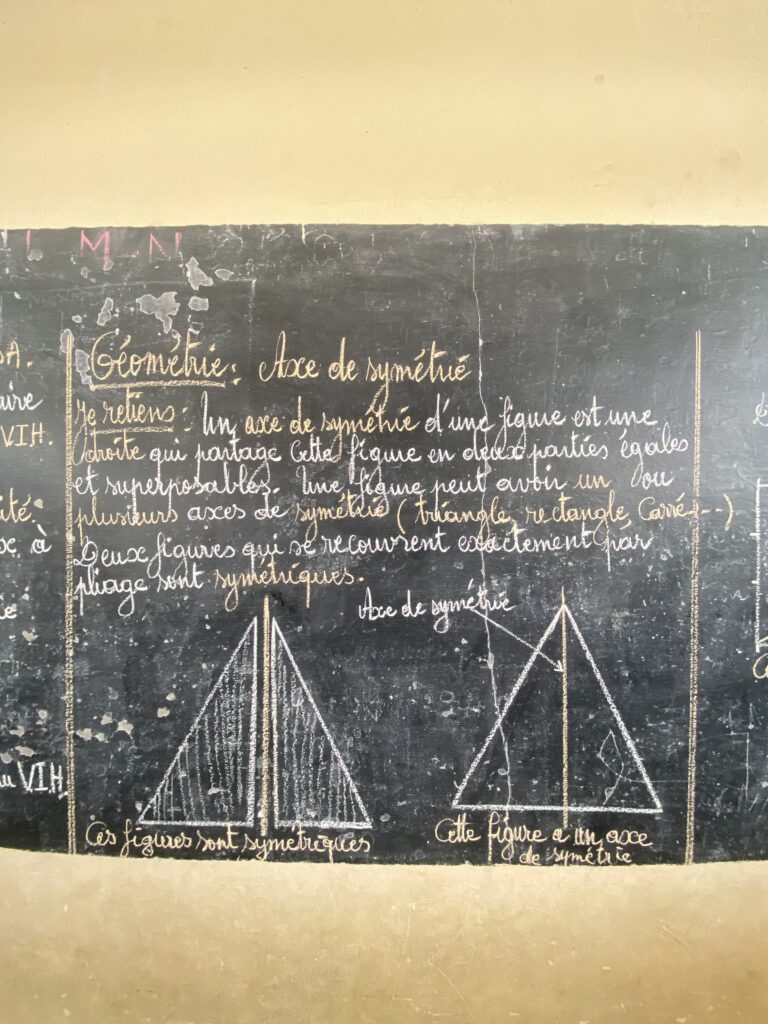
Afro Fado: Between Africa, Portugal and O Gringo’s Experience – Republic of The Congo
Afro Fado brings together two distinct cultural worlds without attempting to make them identical.
“Afro” represents a plural, contemporary and creative Africa that remains conscious of its roots. “Fado” introduces an emotional dimension associated with memory, distance, waiting and saudade — a deep sense of longing.
Between these two worlds lies the Atlantic Ocean.
In the collection, the ocean becomes a space of passage, encounter and transformation. It separates continents, but it also carries stories, rhythms, languages, families and memories.
In O Gringo’s vision, Afro Fado is not a distant representation of Africa. It is the result of encounters experienced by the artist and of the profound mark left by the Congo on the development of his artistic language.
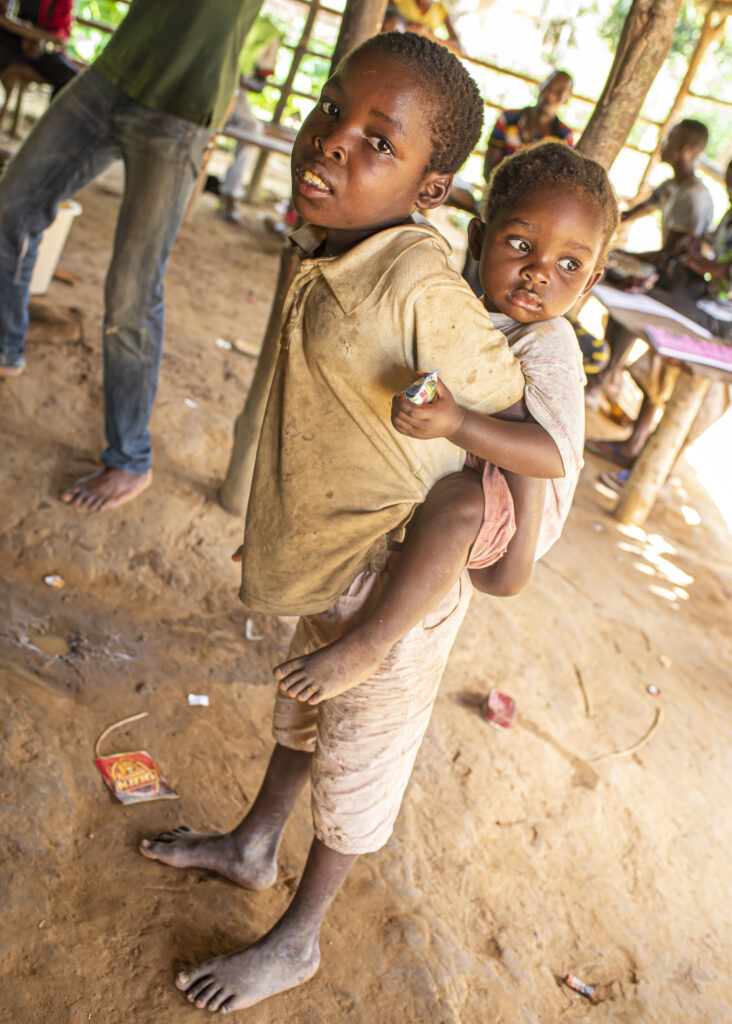
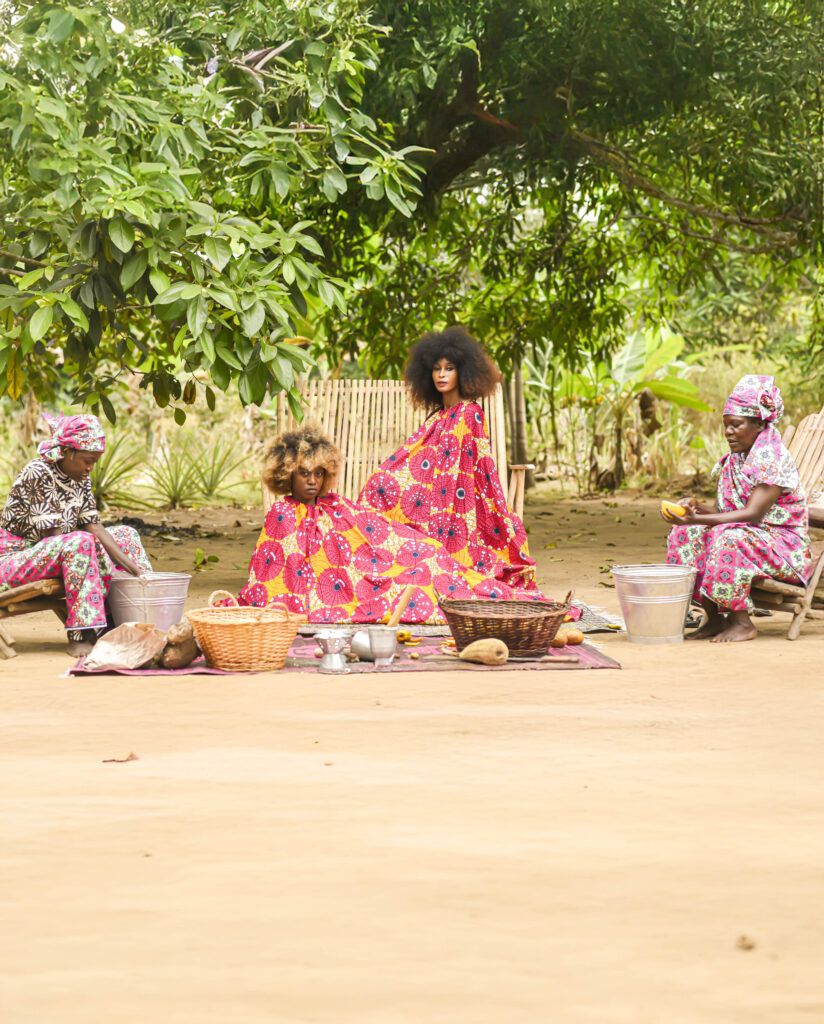
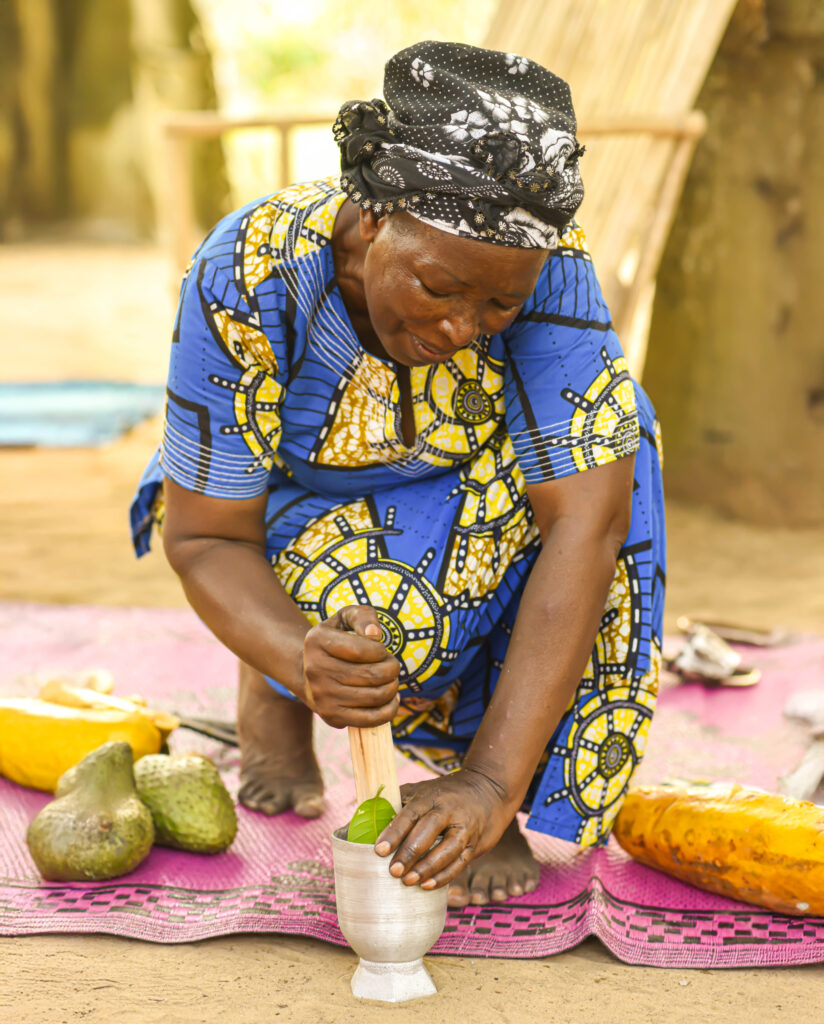
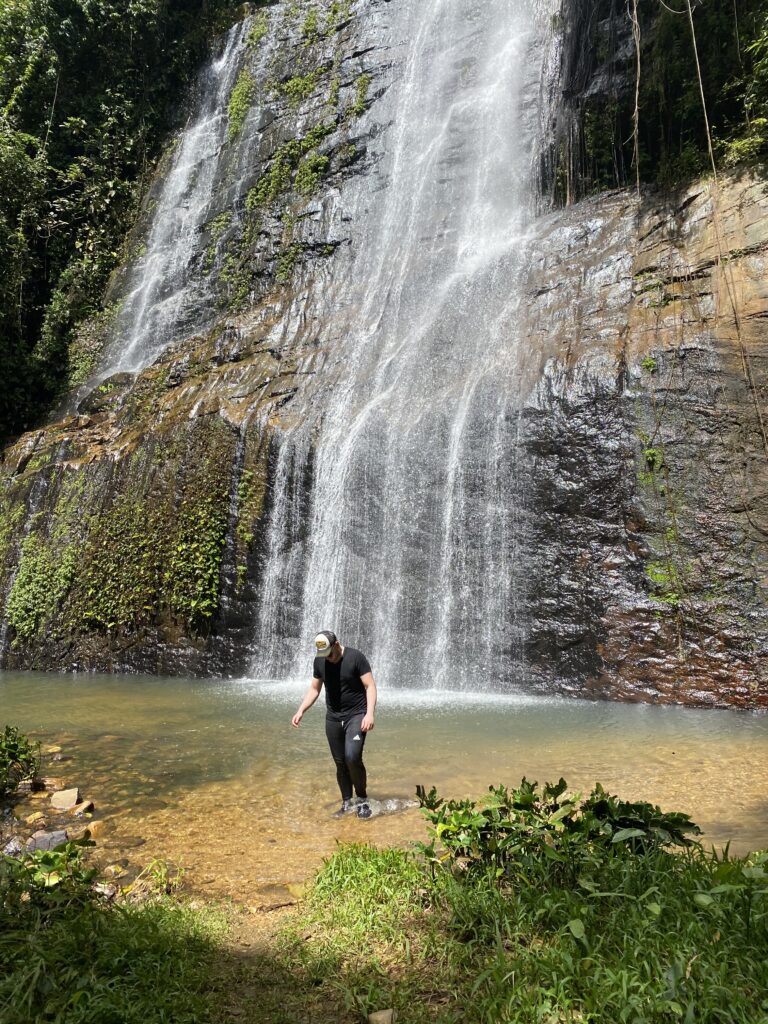
From the Ancient African Kingdoms to the Origin of the Name Pointe-Noire
Long before a permanent European presence was established, the Atlantic coast of Central Africa was home to organised societies, extensive trading networks and significant political structures, including the Kingdom of Kongo and the Kingdom of Loango. In 1482, Portuguese navigator Diogo Cão reached the mouth of the Congo River, while during the fifteenth century other Portuguese navigators travelling along the coast used the expression “Punta Negra” to identify a promontory of dark rocks near Loango that served as a maritime landmark and would eventually give rise to the present-day name Pointe-Noire.
In the centuries that followed, Portuguese, Dutch and French traders established commercial relations and trading posts in the region, while the ancient port of Loango was tragically incorporated into the Atlantic trade in enslaved people. Despite mounting foreign pressure and interference, the Kingdoms of Kongo and Loango preserved their political structures, authorities, traditions and distinct identities for long periods, until the advance of European colonial rule in the late nineteenth century.
This historical depth, together with the contemporary presence of the Congo and O Gringo’s two professional experiences in the country, forms part of the reflection behind Afro Fado: a collection that does not present Africa as a static image of the past, but as a sovereign territory of memory, creativity, continuity and future.
Azulejos and hybrid mixed media art
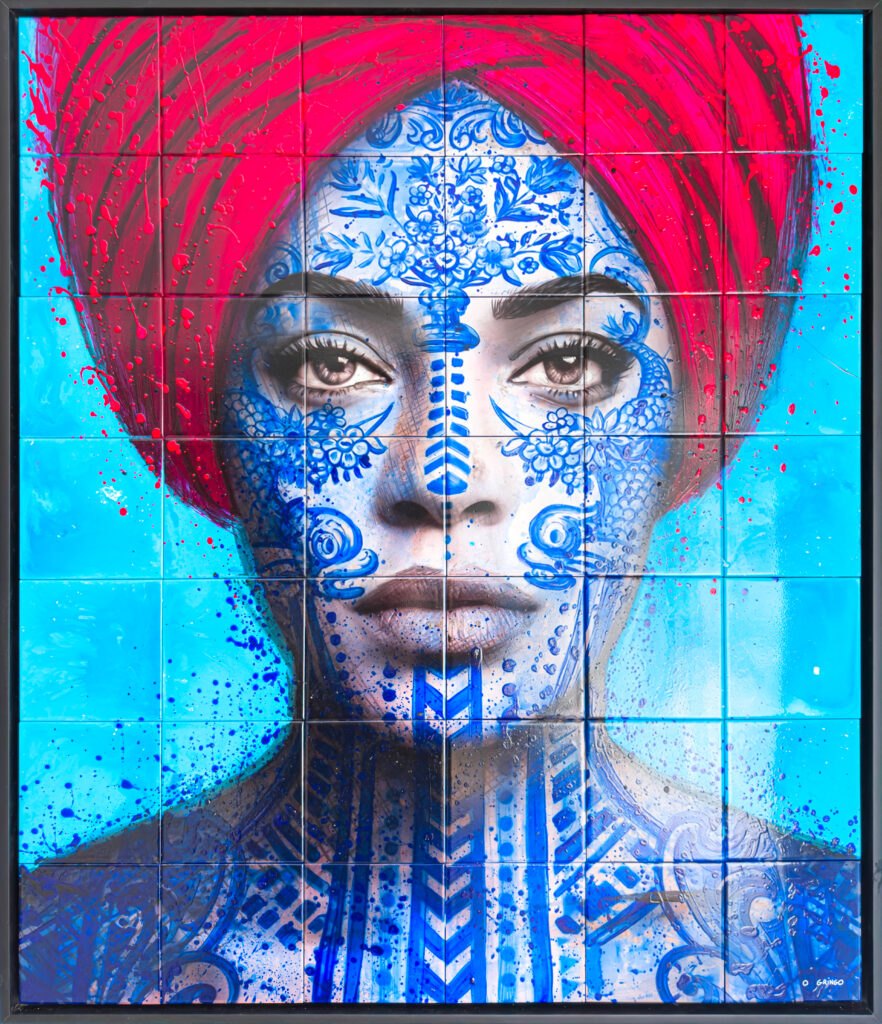
Pointe-Noire, Loango and the Memory of the Ocean
Pointe-Noire represents an essential dimension of the Republic of the Congo’s relationship with the Atlantic. A port city, a place of circulation and a meeting point, it preserves within its name the memory of the earliest Portuguese nautical charts of the region.
Near Pointe-Noire lies the ancient port of Loango, in the Kouilou Department. Included by the Republic of the Congo on UNESCO’s Tentative List of World Heritage Sites, it is recognised as an important site of memory in Central Africa.
The history of Loango, however, cannot be reduced to the Atlantic slave trade. Before the European presence, the region formed part of a sovereign kingdom with its own political institutions, commercial structures, cultural practices and authority, embodied by the Mâ Loango.
The ancient port, the ocean, the communities and the traditions preserved throughout the territory form a complex historical landscape. It is this relationship between memory, resistance and continuity that finds a poetic connection with O Gringo’s work.
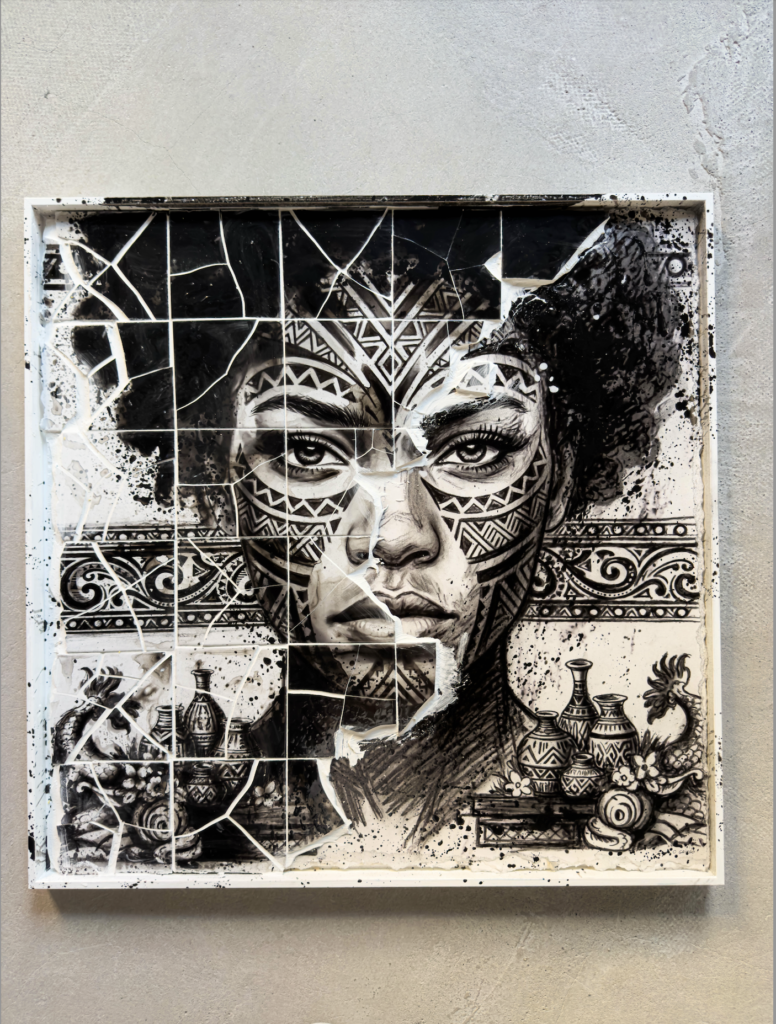
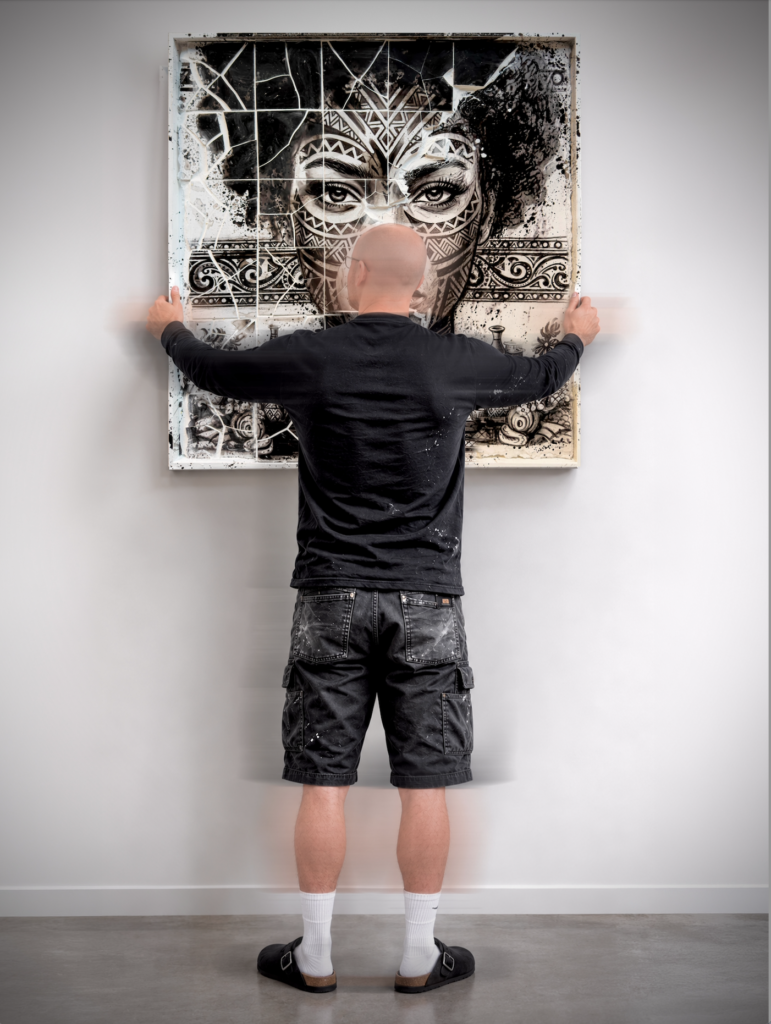
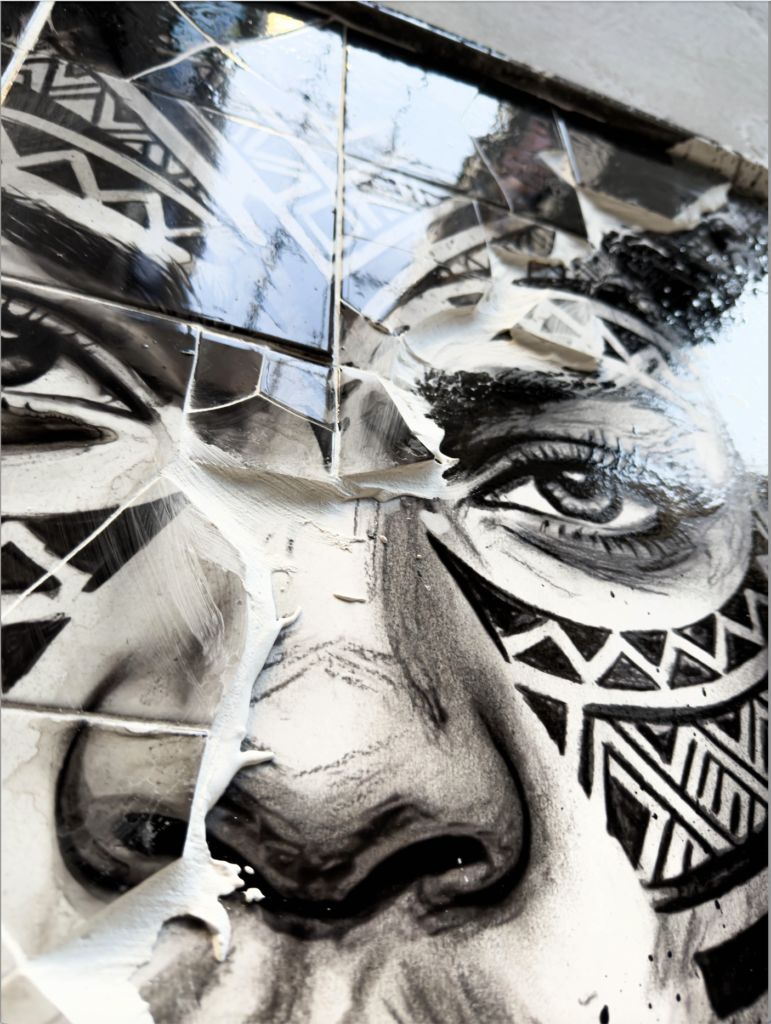
Women as Guardians of Memory
Female figures occupy a central place in Afro Fado.
Women, mothers and guardians represent continuity between generations. They preserve stories, protect names, transmit knowledge and maintain the connection between past, present and future.
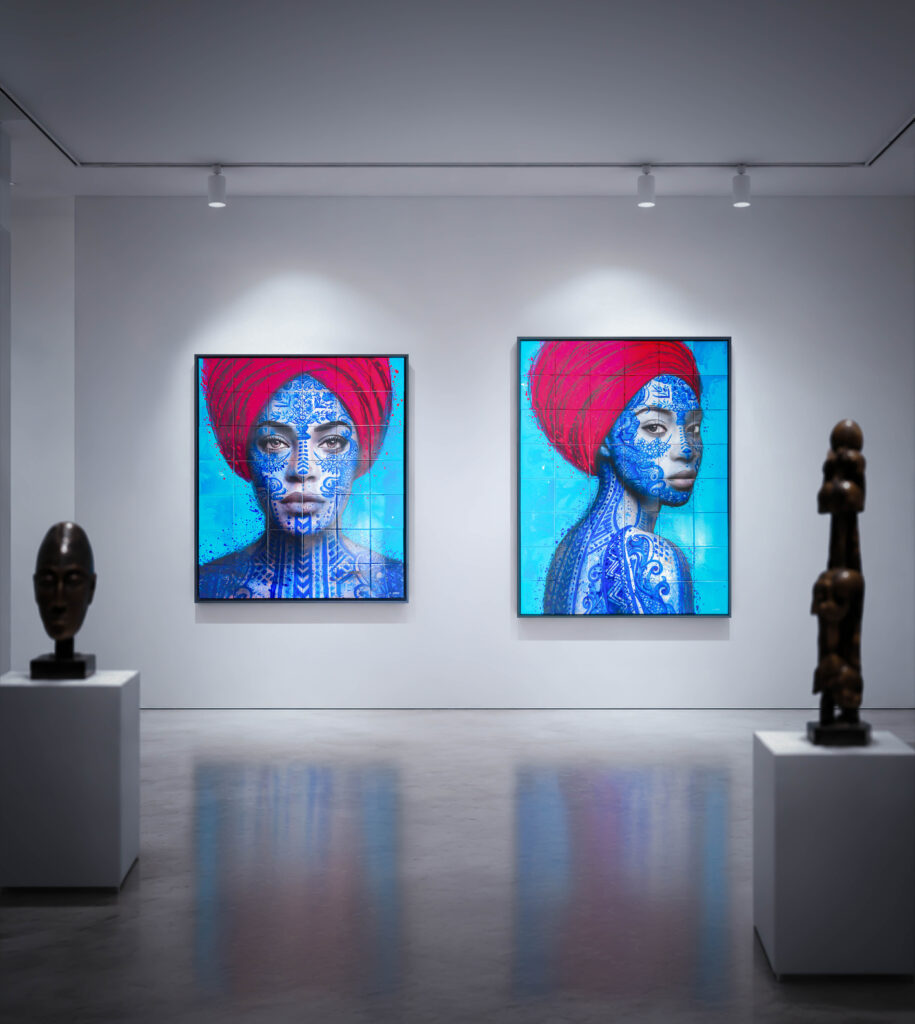
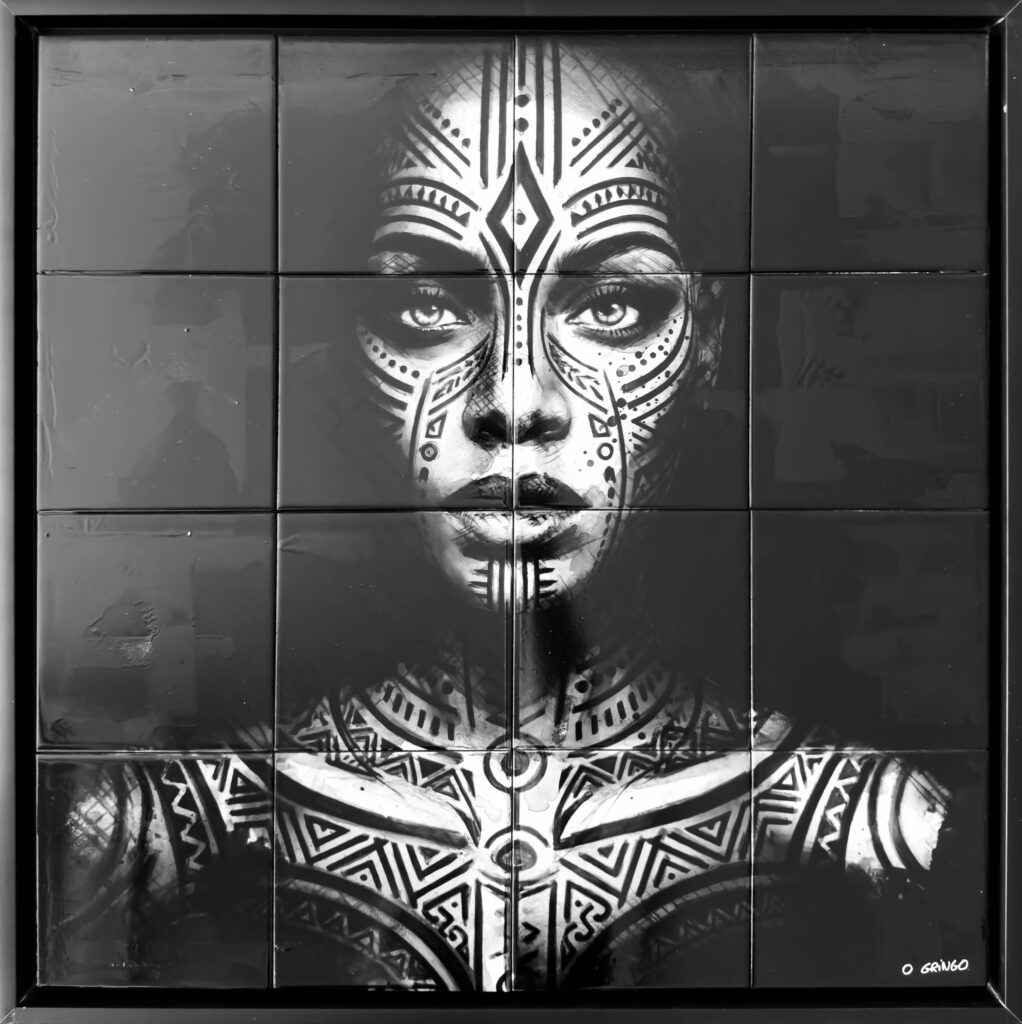
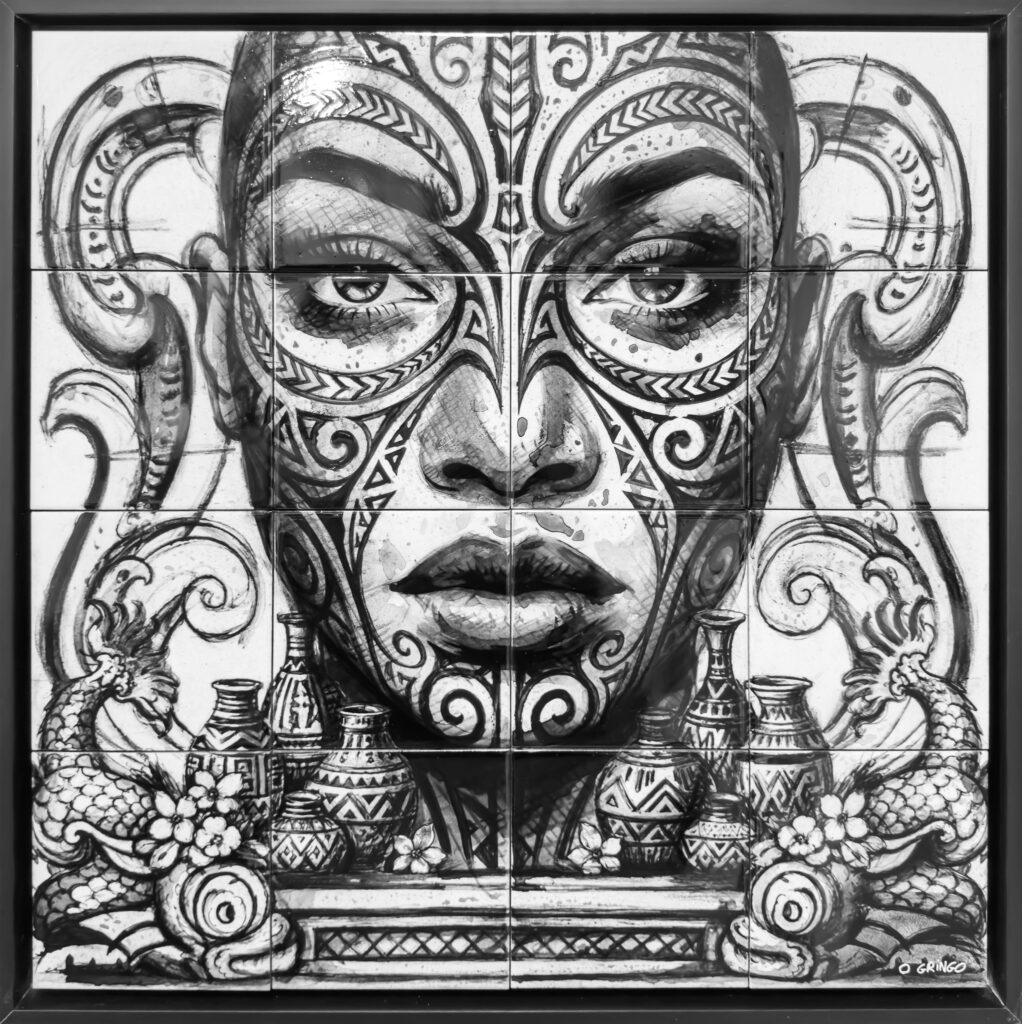
In works such as La Gardienne de souvenirs and Mémoire des mères, memory is not presented as something static. It becomes an active force, transmitted by people who possess the power to decide what should be preserved and how their own history should be told.
The women represented by O Gringo are not passive figures observed by the artist. They occupy the centre of the composition, assert their own presence and return the viewer’s gaze.
The Evolution Towards a Hybrid Mixed Media Language
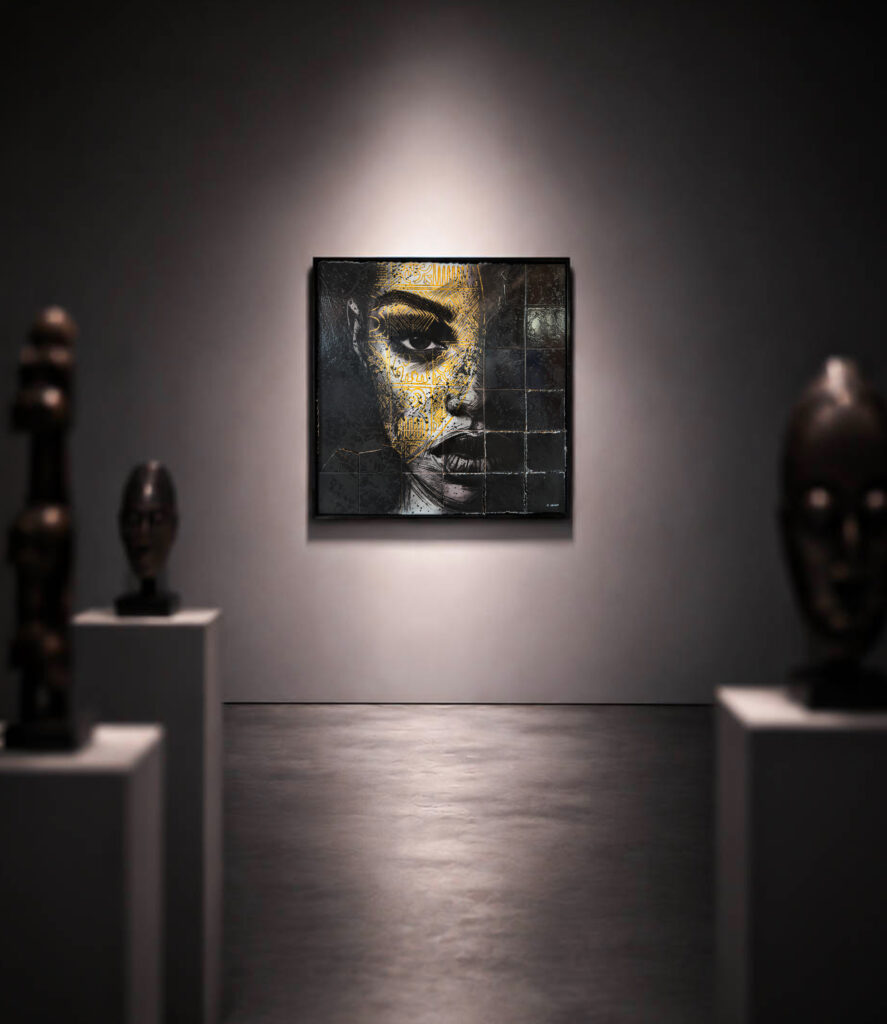
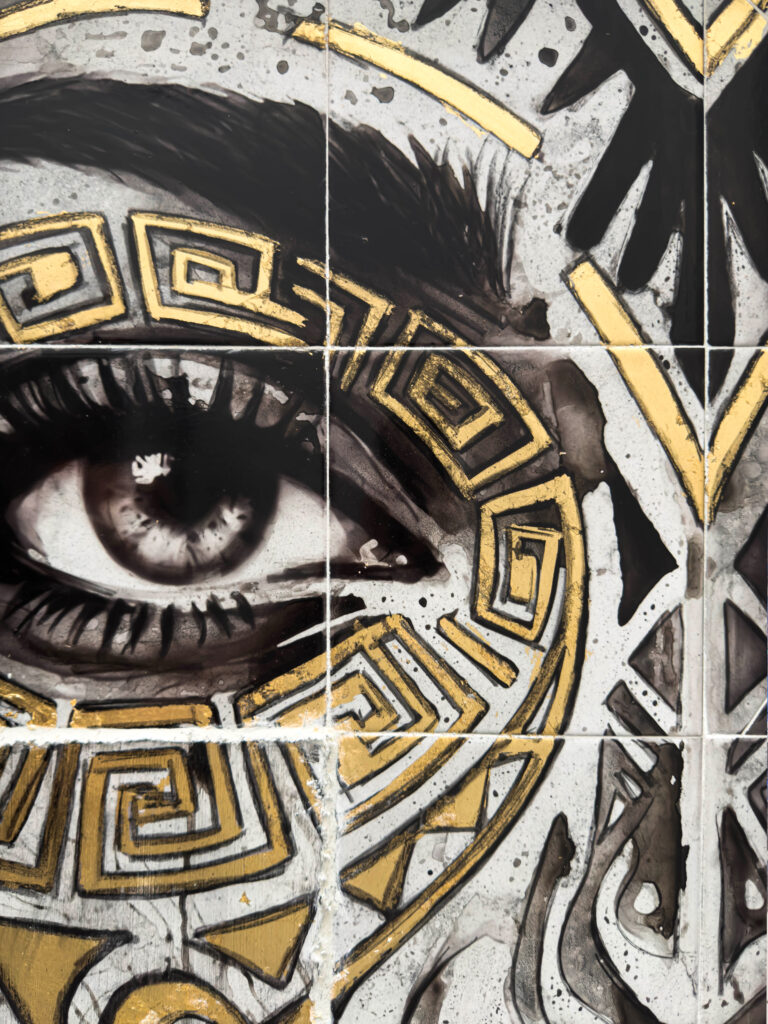
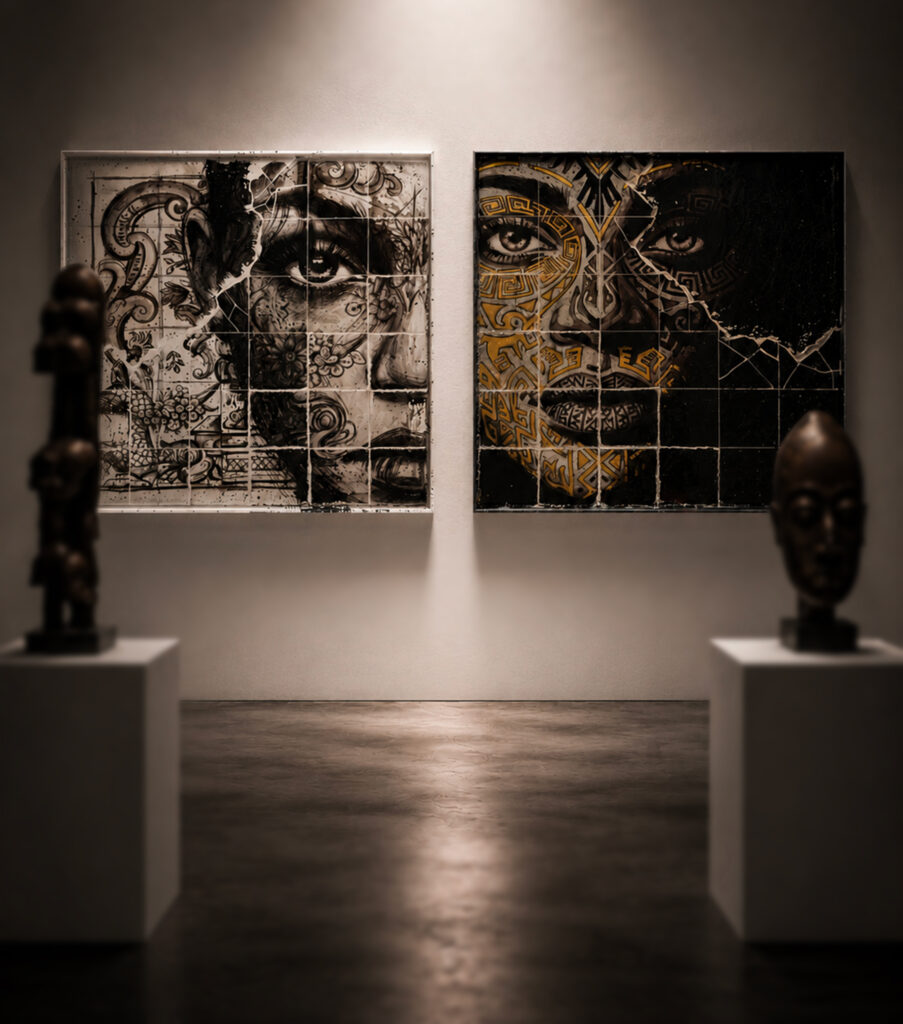
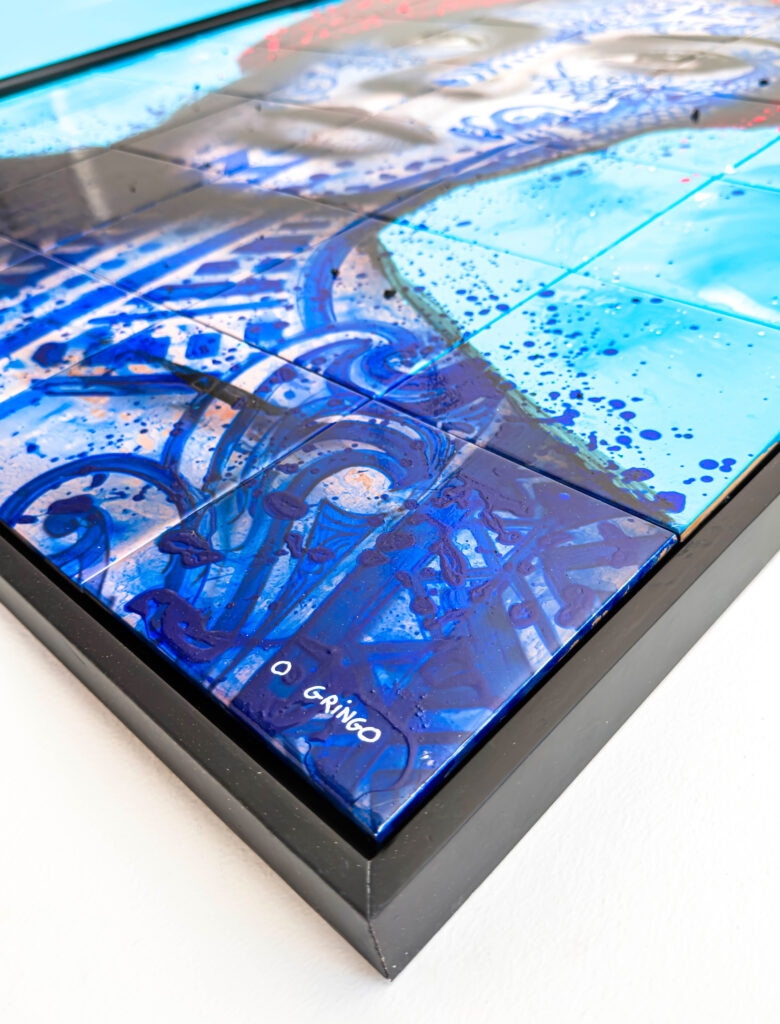
O Gringo’s earliest visual investigations developed through painting and his relationship with Portuguese azulejos. As his research progressed, the works evolved into a hybrid mixed media language in which different techniques, materials and surfaces coexist within a single composition.
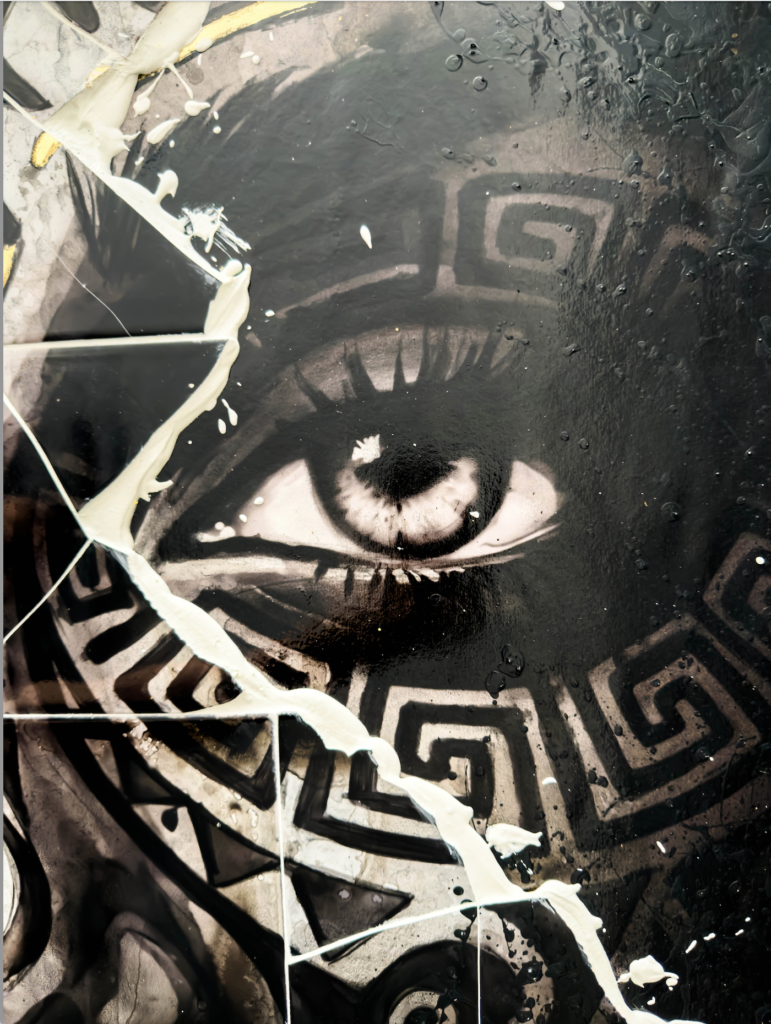
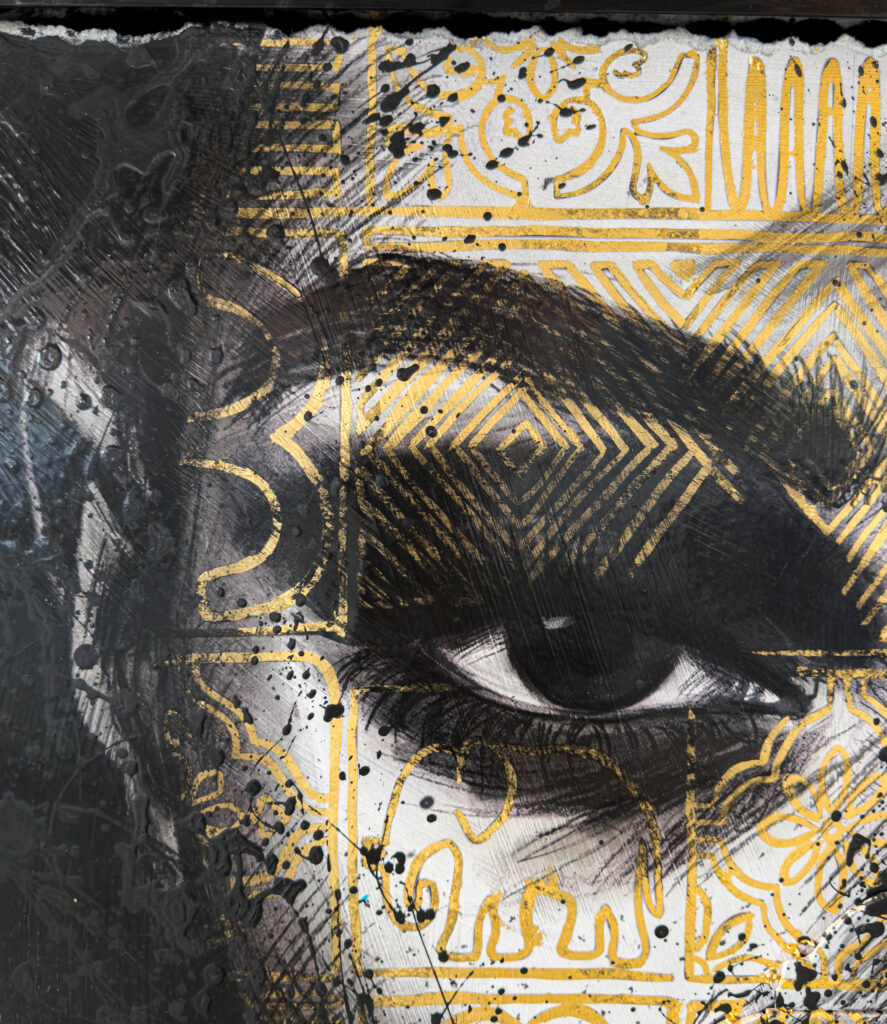
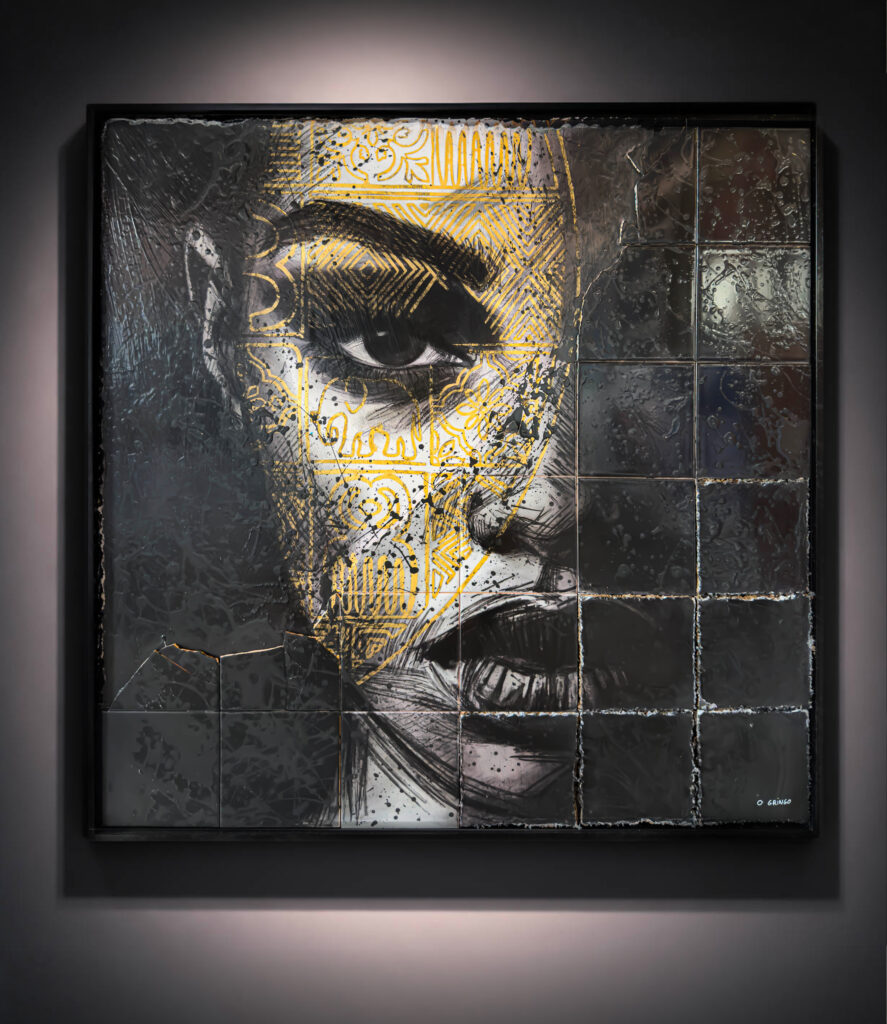
The artist combines image transfer, acrylic, oil, charcoal, Chinese ink, aerosol, collage, metallic leaf and other materials. These elements may be applied to azulejos, ceramic, stone, wood, canvas, fine art paper and other surfaces.
This is not simply an accumulation of techniques. Each material fulfils a specific visual and emotional purpose.
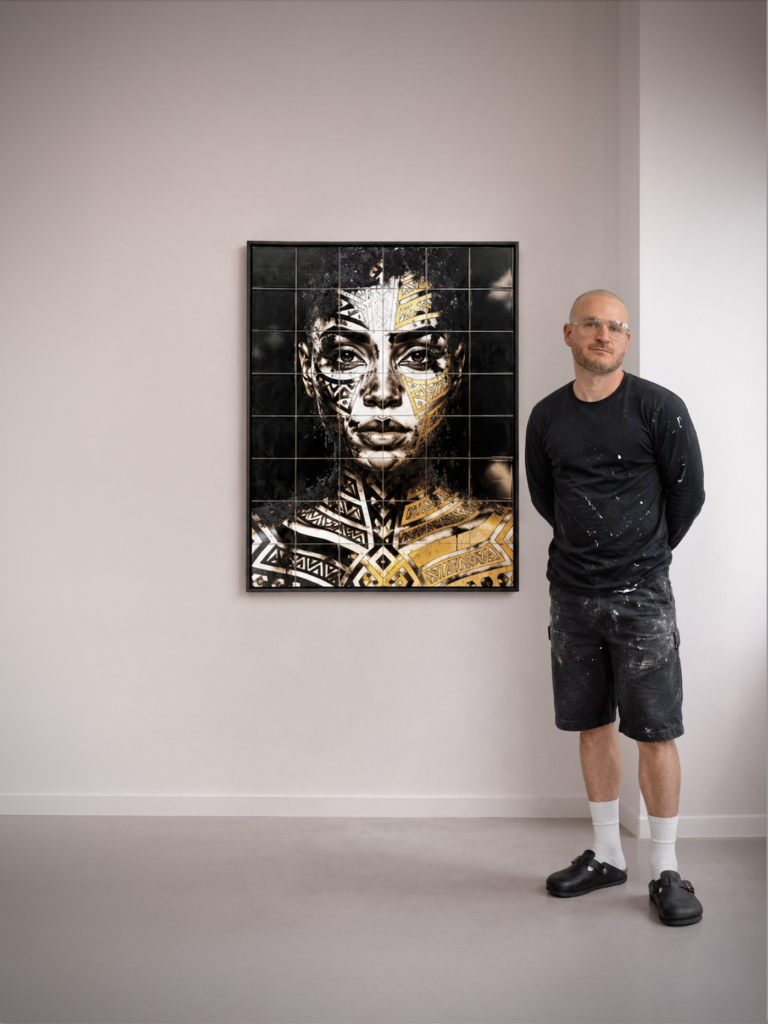
Image transfer creates layers between reality and memory. Charcoal introduces depth, fragility and movement. Ink and acrylic transform faces, space and light. Aerosol connects the work to an urban visual language. Metallic leaf introduces reflection and alters the viewer’s perception according to their position. The process also incorporates full or adhesive resin, with UV self-drying process, adding depth, protection and a contemporary luminous finish.
From this combination emerges an artwork that does not belong entirely to painting, ceramics or collage. O Gringo’s hybrid mixed media identity is established precisely within this creative frontier.
Afro Fado Collection – 2026
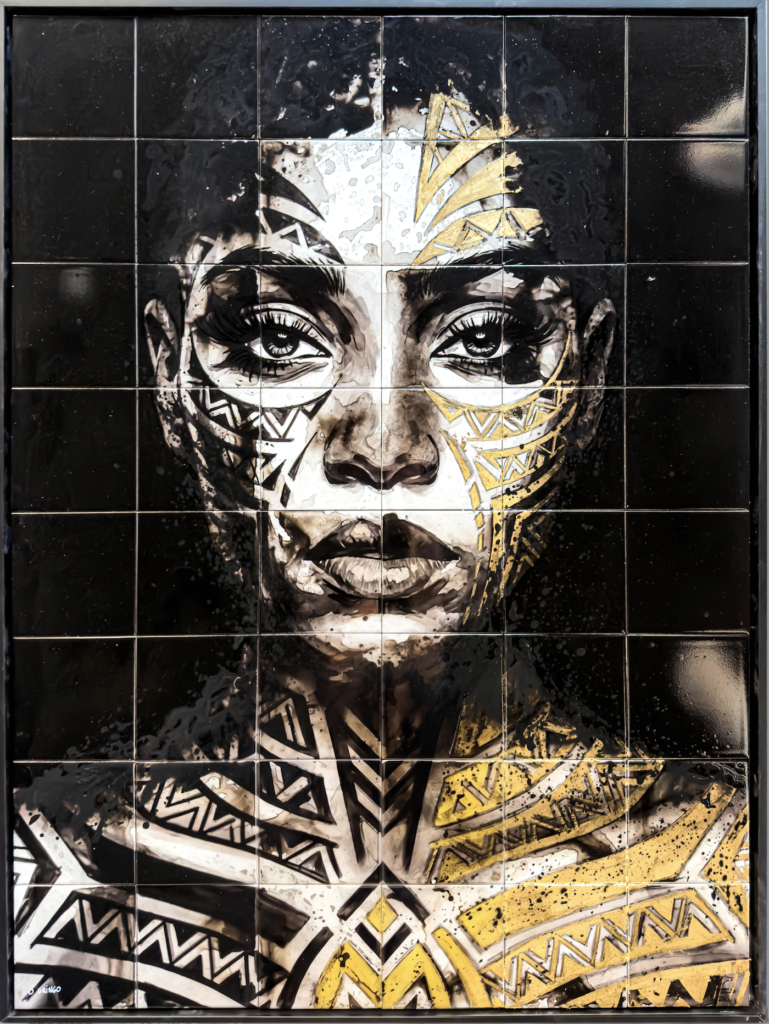
Afro Fado Collection – 2026
A Collection Presented to International Audiences
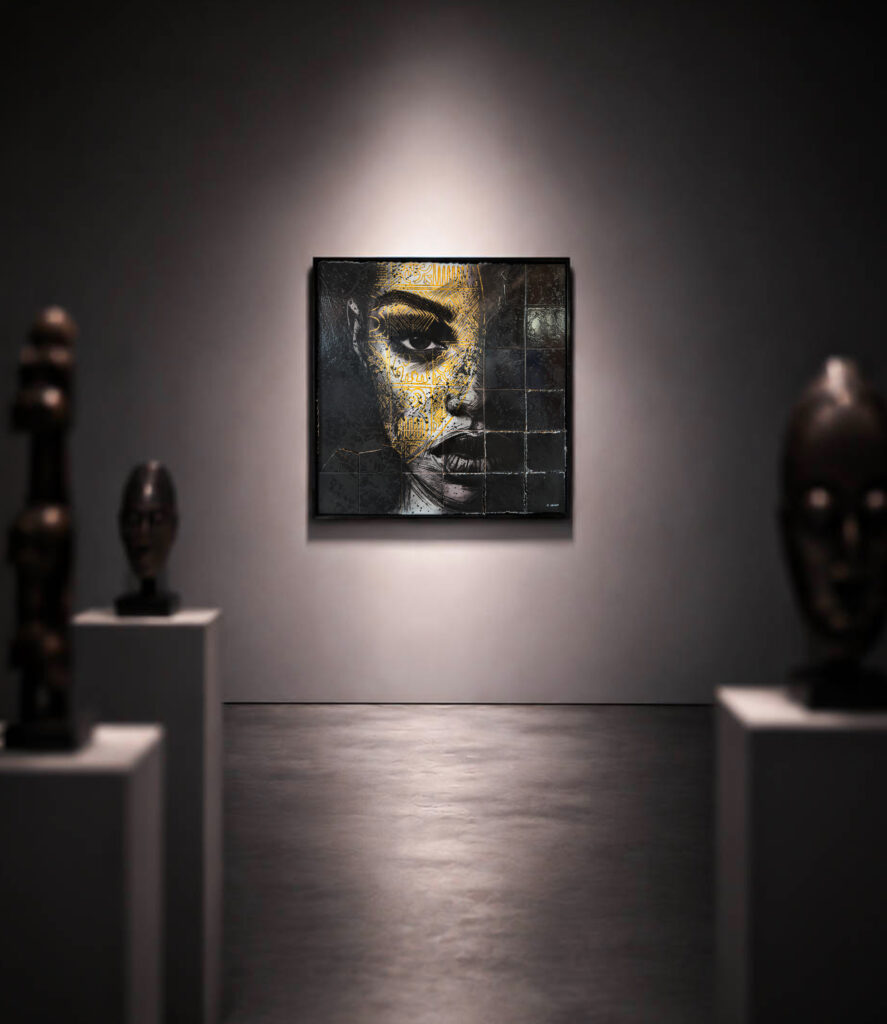
Afro Fado forms part of the international artistic journey developed by O Gringo between Portugal, France and other cultural and artistic contexts. The works have attracted the interest of audiences and collectors drawn to the relationship between African identity, memory, portraiture, heritage and contemporary art.
The photographs published in this article document works from the collection that have already been sold and are now held in private collections. These images are presented as visual references illustrating the evolution of Afro Fado and do not necessarily correspond to future artworks intended for cultural or institutional projects.
Each creation possesses its own identity, although they all belong to the same artistic territory: the encounter between African presence, Atlantic memory, Portuguese heritage and contemporary emotion.
Afro Fado: A Continuing Story
Afro Fado does not seek to offer a definitive description of Africa.
The collection opens a passage.
In every face there is a presence. In every gesture, a transmission. In the mothers reside memory and continuity. In the children, light and the future. In rhythm, the strength of the body. In saudade, everything that distance cannot erase.
Through his hybrid mixed media language, O Gringo transforms his experiences in the Congo into an artistic study of identity, memory and encounter.
The ocean remains between these two worlds, but art allows them to contemplate one another, listen to one another and begin a new conversation.
SOURCES TO INCLUDE AT THE END OF THE ARTICLE
Autonomous Port of Pointe-Noire — History and Origin of the Name Pointe-Noire
https://papn-cg.org/historique/
UNESCO — Ancient Port of Embarkation of Enslaved People at Loango
https://whc.unesco.org/en/tentativelists/5373/
Official O Gringo Website — Afro Fado Collection
Official Biography of O Gringo
Paris 75 Image Archives and Documentation
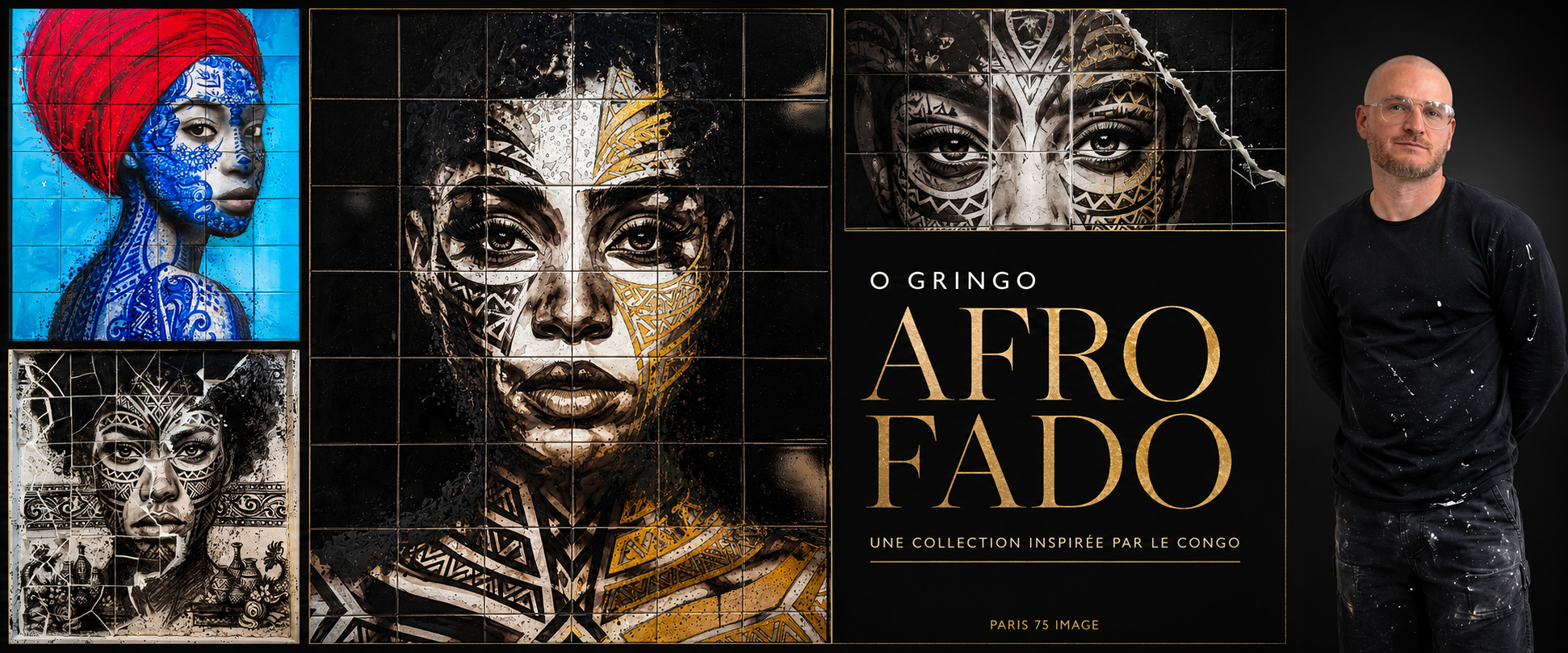
O Gringo Afro Fado Collections – La Smart galerie – LX Factory
You should also see:
O Gringo and CERCIMA: When Art Builds a Better Future
O Gringo Exhibition | Place des Vosges, Paris